
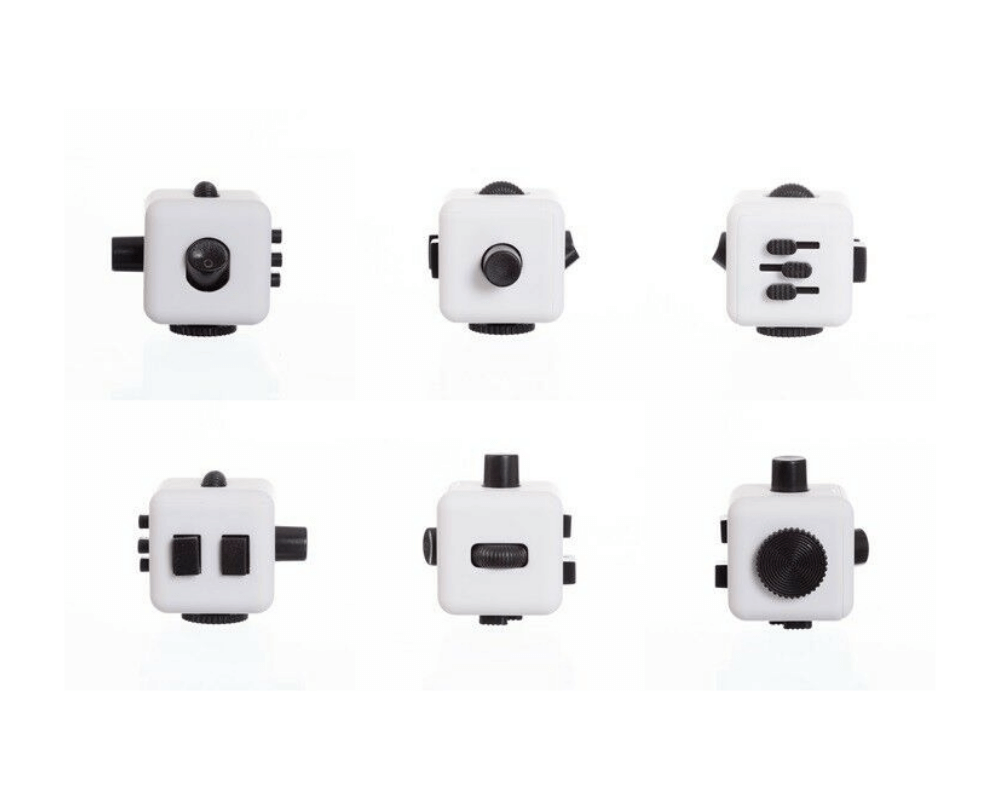
DIY Fidget Cube Merch Merchandise: Make Your Own Toys
Looking for a hands‑on project that blends creativity with stress relief? Crafting your own DIY Fidget Cube Merch Merchandise lets you design personalized toys while exploring the world of tactile accessories. In just a few steps, you can turn ordinary materials into a custom fidget cube that reflects your style and boosts focus. Let’s dive into the simple process, essential tools, and pro tips that make your homemade fidget cube both functional and fun.
Gathering Materials for Your DIY Fidget Cube
The first step is to assemble the right supplies. You’ll need a sturdy base such as a small wooden block or acrylic sheet, silicone molds for buttons, and a set of small mechanical components like switches and gears. If you prefer a softer feel, purchase silicone rubber sheets that can be cut to size. Additionally, gather paints, stickers, and a sealant to protect your finished product.
Choosing quality components matters. Look for durable switches that click reliably; cheap ones may wear out quickly. For the outer shell, consider using clear epoxy resin if you want a glossy, transparent finish that showcases the inner mechanisms. Buying a small set of LED lights can also add a visual twist to your fidget cube.
Lastly, don’t forget safety gear. Gloves, goggles, and a well‑ventilated workspace keep you protected while handling resin or adhesives. With everything ready, you’re set to start building your unique fidget cube.
Designing the Layout and Assembling the Cube
Sketch a layout before you begin. Decide where each element—buttons, dials, sliders—will be placed on the cube’s faces. A typical cube has six sides, so you can assign a distinct function to each. For instance, a side could feature a smooth rolling ball, another a magnetic switch, and a third a tactile click button.
Start by cutting the base material to a perfect cube shape, usually 2‑2.5 inches per side. Drill small holes for the mechanical parts, ensuring they fit snugly. Insert the switches and secure them with a bit of epoxy. Use a fine‑tip glue gun for attaching smaller pieces like beads or springs.
Once the internal components are set, add the outer layer. If you’re using silicone, pour it into a custom mold that matches the cube’s dimensions. Let it cure fully—typically 24 hours—before removing it. This step creates a soft, flexible skin that enhances your fidget experience.
Personalizing with Fidget Cube Merch Merchandise Techniques
Now the fun part: customizing the appearance. Paint each side with vibrant colors that suit your personality. Use stencils or masking tape for clean lines, and consider adding metallic accents for a premium look. If you enjoy branding, apply stickers or laser‑etched logos—this is where Fidget Cube merch merchandise truly shines.
To make your cube stand out, embed tiny LED lights beneath translucent sections. Connect them to a small coin cell battery hidden inside the cube. A simple switch can turn the lights on for a glowing effect during low‑light work sessions.
Seal the final product with a clear coat. This protects the paint, maintains the tactile feel, and extends the cube’s lifespan. After the seal dries, give your cube a quick test—ensure all moving parts operate smoothly and the lights function as intended.
Sharing and Scaling Your DIY Creations
Once you’ve crafted a masterpiece, share it online. Post photos on social media platforms and use hashtags related to fidget toys and DIY crafts. Engaging with communities can inspire others and attract potential collaborators interested in bulk orders or custom designs.
If you find a demand for your creations, consider turning the hobby into a small business. Offer kits that include pre‑cut bases, essential components, and step‑by‑step instructions. This approach lets customers enjoy the satisfaction of building their own toys while you provide a ready‑made solution.
Remember, the joy of DIY lies in experimentation. Feel free to tweak designs, try new materials, or introduce novel mechanisms. Each iteration brings fresh insights, making your Fidget Cube merch merchandise collection richer and more diverse.
Conclusion
Creating DIY fidget cube merch merchandise combines craftsmanship with personal expression. By gathering the right tools, thoughtfully designing each face, and adding unique custom touches, you can produce a functional toy that reflects your style. Whether you keep it for personal use or share it with a wider audience, this hands‑on project offers both relaxation and creativity. So grab your materials, unleash your imagination, and start building a fidget cube that’s truly yours.


